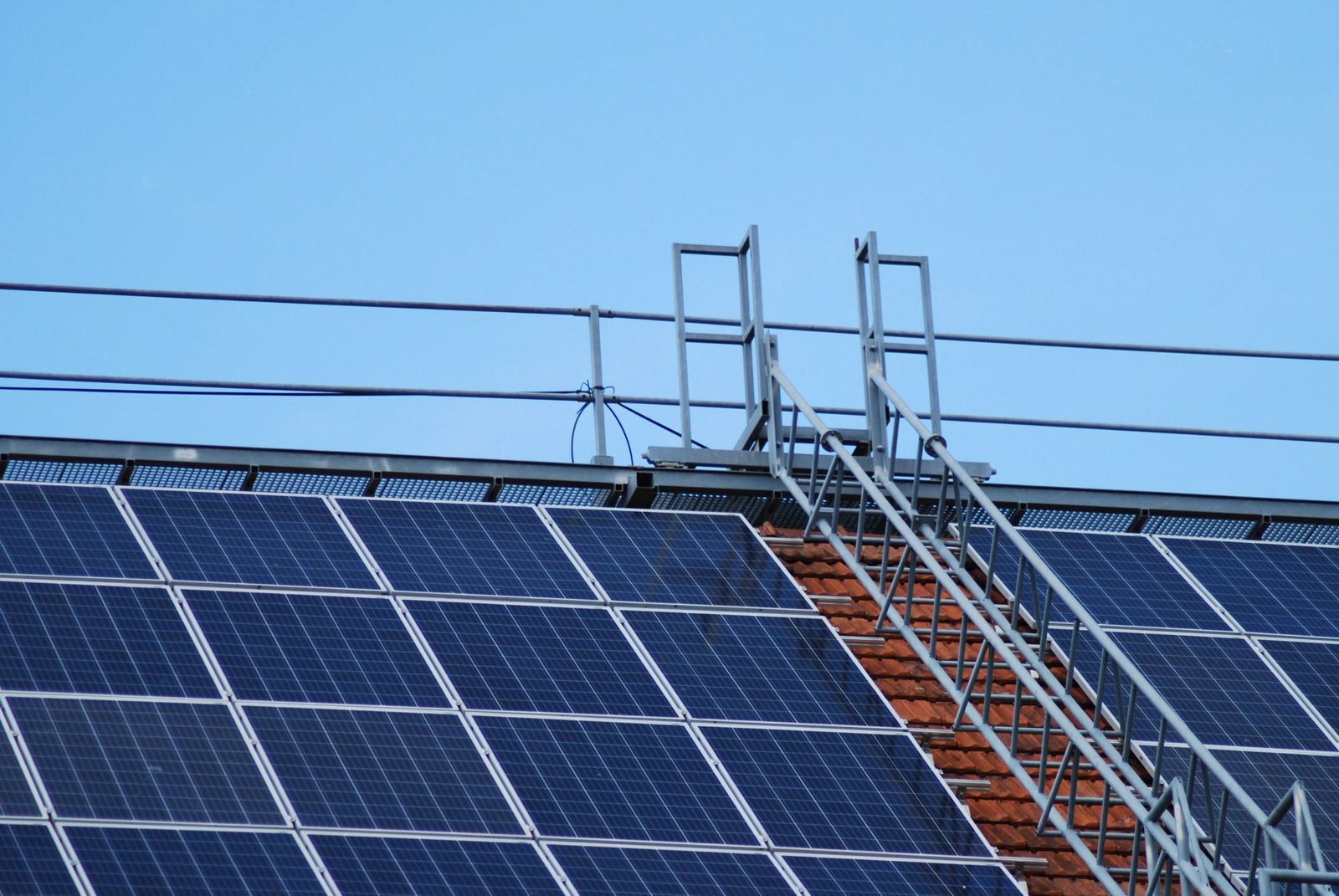
If hail hits your solar panels, stay off the roof, photograph what you can see from the ground, and have the system inspected before you power it back on. Hail damage is not always visible. The U.S. Department of Energy notes that hail can crack solar cells at sizes and speeds too small to break the glass.
Oklahoma homeowners have more reason than most to be ready. The Oklahoma Insurance Department, citing Verisk data, reported that 49.7% of Oklahoma roofs were impacted by severe hail over four years, the highest in the nation.
Why hail damage can be hard to see
Solar modules are tested against hail before they are sold. NREL describes the standard qualification test as firing a 25 mm (about 1 inch) ice ball at 23 meters per second, roughly 51 mph, at 11 spots on the module. DOE says a module passes if it is visually undamaged and loses less than 5% of its power.
Real hailstorms in Oklahoma can be worse than that test. The Oklahoma Climatological Survey notes that rotating supercell thunderstorms can produce very large hail. DOE adds that hail “can cause invisible damage through solar cell cracking” and that microcracks that are not initially harmful “can spread over time, decreasing production.” A panel can look fine and still be losing output.
What to do after a hailstorm
- Stay off the roof. Wait for the storm to pass and check from the ground.
- Document everything. Photograph the panels, roof, gutters and siding, and note the date and time of the storm.
- Treat visibly broken glass, damaged wiring or an inverter fault as unsafe. Keep away from the array and do not try to fix it yourself.
- Have the system tested. DOE advises testing for electrical faults before powering a system back up, and having panels scanned with infrared, UV or electroluminescence imaging within a month of the event to find invisible damage.
- Call your insurer and ask how your policy treats solar equipment. Coverage varies by policy.
Working with your insurance company
The Oklahoma Insurance Department advises homeowners not to have permanent repairs made until the insurance company has inspected the property and you have reached an agreement. It also recommends taking photos or video of the damage, getting multiple bids from licensed contractors, and declining anyone who offers to waive your deductible. A written assessment from a solar professional gives the adjuster something concrete to work from.
Choose a local contractor
After a big storm, out-of-town crews often knock on doors. A licensed company based in Oklahoma will still be here after the claim is closed. Oklahoma Solar Solutions provides written damage assessments at no cost and repairs solar systems damaged by hail and wind.
See our storm damage solar repair and solar system inspection services, or request a free estimate. If your system is underperforming for other reasons, read signs your solar system needs service.
Sources
- U.S. DOE FEMP: Hail Damage Mitigation for Solar Photovoltaic Systems
- NREL: Reliability Testing Beyond Qualification (Wohlgemuth and Kurtz)
- Oklahoma Insurance Department: 2025 Roofing Report Underscores Need for Strengthen Oklahoma Homes Program (citing Verisk data)
- Oklahoma Insurance Department: Storm Recovery Tips
- Oklahoma Climatological Survey: Oklahoma Climate