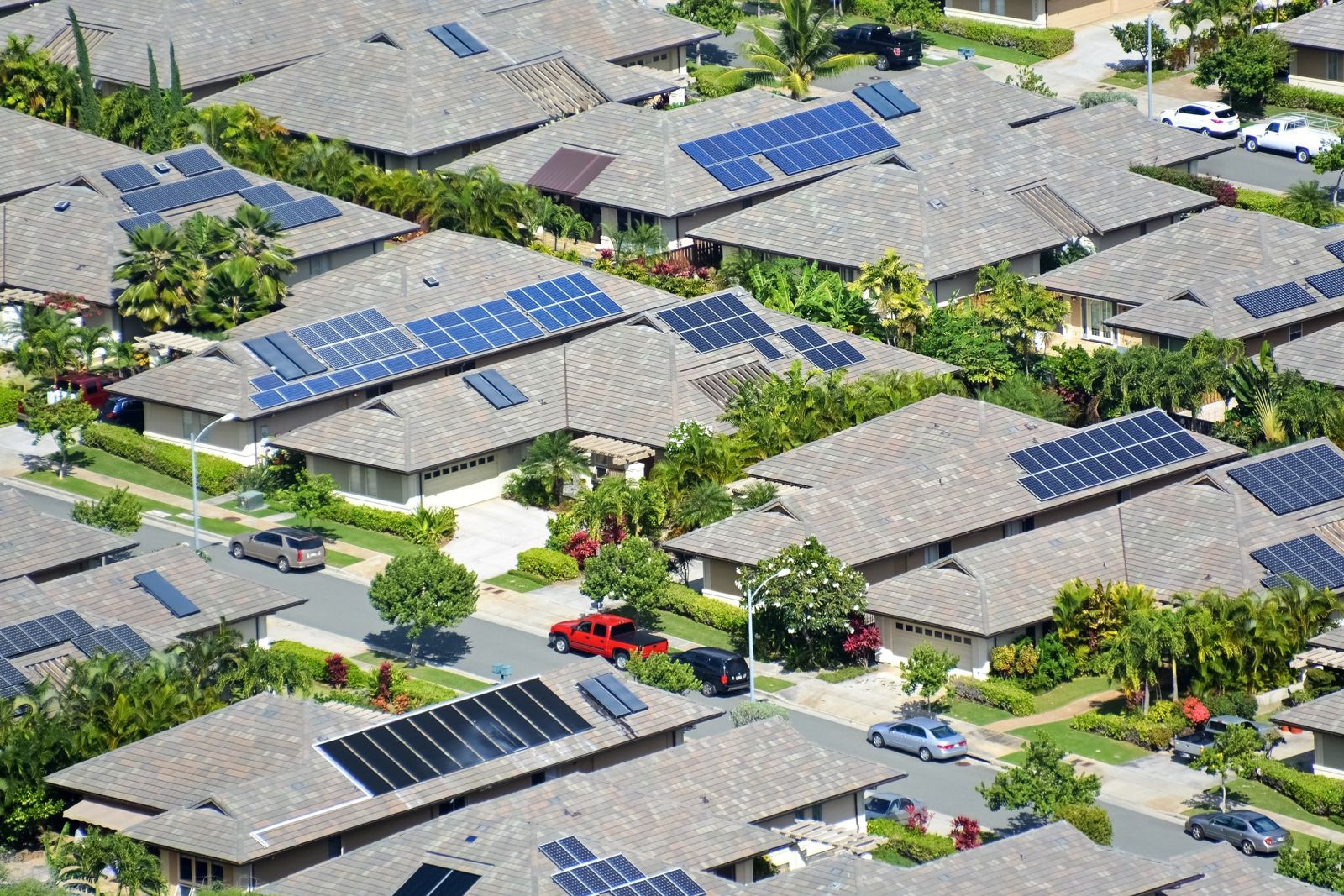
The 30% federal tax credit that many homeowners counted on for solar is gone for new installations. The IRS states that the residential clean energy credit “will not be allowed for any expenditures made after December 31, 2025.” If your system is completed in 2026 or later, you cannot claim it. Businesses still have a federal credit, but with hard deadlines. This guide covers what changed, what still applies in Oklahoma, and how to decide.
We install solar, we are not tax advisors. Confirm anything that affects your return with a CPA or tax professional.
What ended for homeowners
The residential credit (Section 25D) covered 30% of qualifying solar costs for homeowners. Under the 2025 federal budget law, it ends for expenditures after December 31, 2025. The IRS explains that an expenditure is treated as made “when the original installation of the item is completed,” so signing a contract or paying a deposit in 2025 does not count if the installation finishes in 2026.
If you completed an installation in 2025 and could not use the full credit on your 2025 return, the IRS instructions for Form 5695 say you can carry the unused portion forward to 2026.
What still applies for businesses
Commercial solar can still earn the federal Clean Electricity Investment Credit (Section 48E). The IRS lists a base rate of 6% of the qualified investment, with a higher rate of up to 30% for projects that meet its wage and apprenticeship requirements or fall under the size exemption.
The deadline is the important part. For solar, the credit generally stops applying to systems placed in service after December 31, 2027, unless construction began by July 4, 2026. That July date has now passed, so a project that has not started construction generally needs to be placed in service by the end of 2027. The IRS guidance on what counts as “beginning of construction” has been challenged in court, so have your tax professional confirm where your project stands.
Federal law also now allows 100% bonus depreciation for qualifying property acquired after January 19, 2025, according to IRS interim guidance issued in January 2026. Ask your tax professional how it applies to your system.
How net metering works in Oklahoma
Net metering decides how much your solar production is worth, so it matters more now that there is no homeowner credit. The Oklahoma Corporation Commission says utilities must buy excess energy “at the utility’s avoided energy cost,” and that netting up to your consumption happens at full retail energy rates.
In practice, solar production that offsets what you use in a billing period is valued at the retail rate. Production beyond what you use is credited at the utility’s much lower avoided cost. The Commission’s current cap for net metering participation is 300 kW or less of qualified rated capacity, with a peak load limit of 125%.
- Size your system to your actual usage rather than as large as your roof allows.
- Ask your utility which rate schedule you would be on, since some rate options are excluded from OG&E’s net energy billing option.
- Consider battery storage if you want to use more of your own production or keep power on during outages.
Leases and power purchase agreements
Some companies offer solar through a lease or power purchase agreement, where the company owns the system. Industry reporting has noted that these providers may still be able to claim the business credit while it lasts. Whether any of that benefit reaches you is up to the provider’s contract, so compare the total cost over the full term against buying the system.
What this means if you are deciding now
Without the federal credit, the case for residential solar rests on your electric bill, your usage and the price of the system. That makes the quote the most important number. We can estimate a system from your address and the last twelve months of energy usage, and we beat any competitor’s written quote. For a business, timing against the 2027 placed-in-service deadline should be settled early.
Ready to run the numbers for your property? Request a free estimate, or read about our residential solar installation and commercial solar installation services.
Sources
- IRS: FAQs on 25D and other credits under Public Law 119-21 (August 2025)
- IRS: Instructions for Form 5695
- IRS: Clean electricity investment credit
- IRS Notice 2025-42: Beginning of construction for wind and solar facilities
- IRS Notice 2026-11: Additional first year depreciation deduction
- Oklahoma Corporation Commission: Net Metering in Oklahoma
- OG&E net energy billing option tariff (Sheet 70.10)
- Utility Dive: Residential solar third-party ownership after 25D (September 2025, industry reporting)